The secret to enjoying classical music is clarity. A confusing textbook is like a map with no legend, leaving you lost in a maze of dense history and complex jargon.
You deserve a clear path to understanding the Best Operas for Beginners. The right resource acts as a friendly guide, turning an intimidating performance into a compelling story. Let these picks show you the way.
Key Takeaways
- Prioritize books that include synopses and listening guides to help you follow the plot during a performance.
- Check that sheet music collections specify the difficulty level so you do not purchase arrangements beyond your current skill.
- Seek out guides that focus on historical context rather than just technical musical theory.
- Ensure the songbooks contain the original lyrics to improve your appreciation of the vocal phrasing.
- Verify the format suits your needs, choosing between pocket-sized guides for the theater or desk editions for study.
| Best Overall Introduction |  |
The History of Opera For Beginners | Clear historical timeline | Accessible writing style | Logical structural flow | View on Amazon | Read Review |
| Comprehensive General Reference |  |
Opera for Dummies | Extremely user-friendly | Covers performance etiquette | Excellent reference index | View on Amazon | Read Review |
| Concise Entry Point |  |
A Beginners Guide to the Opera | Straightforward, brief content | Easy to digest | Focused narrative | View on Amazon | Read Review |
| Practical Singer Resource |  |
Arias for Soprano Vocal Collection | Standard repertoire selection | High-quality musical notation | Useful for vocal practice | View on Amazon | Read Review |
| Modern Musical Entry |  |
Phantom of the Opera Piano Songbook | Beginner-friendly piano parts | Includes lyrics and chords | Popular melodic content | View on Amazon | Read Review |
| Thematic Melodic Collection |  |
Phantom of the Opera Easy Piano | Focuses on famous hits | Well-spaced notation | Engaging for fans | View on Amazon | Read Review |
| Best Visual Reference |  |
Opera Explained Visual Guide | Strong visual components | Engaging layout design | Clear, descriptive summaries | View on Amazon | Read Review |
| Compact Reference Tool |  |
Opera Beginner's Guide | Highly portable size | Concise facts | Very readable | View on Amazon | Read Review |
| Diverse Piano Anthology |  |
Opera at the Piano Selections | Extremely wide variety | Great value for quantity | Classic selections | View on Amazon | Read Review |
| Best Plot Companion | 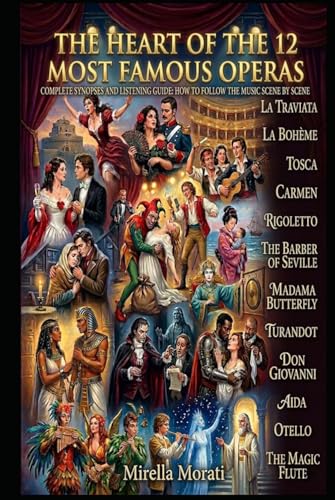 |
Heart of Famous Operas Guide | Clear scene-by-scene analysis | Easy to follow | Focuses on top favorites | View on Amazon | Read Review |
More Details on Our Top Picks
-
The History of Opera For Beginners
Start here if you want to understand why opera evolved the way it did. This book provides a clear historical timeline that connects major composers to the shifting cultural movements of their eras. It functions like a map for a hiker, helping you find your way through dense forests of musical theory.
You will appreciate how it avoids getting lost in overly technical jargon. While it covers a wide range of periods, it does not offer detailed plot summaries for every single work mentioned.
- Content Type:Educational text
- Skill Level:Absolute beginner
- Theme Category:Historical overview
- Additional Feature:Chronological composer breakdown
- Additional Feature:Contextual cultural background
- Additional Feature:Simple, readable prose
-
Opera for Dummies
This guide excels at stripping away the pretension often associated with the genre. It covers everything from basic terminology to etiquette at the opera house, ensuring you feel comfortable during your first live performance. Think of this as your reliable companion for demystifying the stage.
The format is organized by topic rather than just chronology. This makes it perfect for quickly looking up a specific term or composer when you have a question.
- Content Type:Reference book
- Skill Level:Beginner
- Theme Category:General knowledge
- Additional Feature:Terminology glossary
- Additional Feature:Performance advice
- Additional Feature:Composer biographies
-
A Beginners Guide to the Opera
If you prefer a short, direct path to understanding opera, this guide is your best bet. It focuses on the essential foundations without overwhelming you with too many dates or names. It acts as a friendly mentor, highlighting the most important milestones you should know.
The brevity is its greatest strength. However, because it keeps things brief, you might find yourself wanting more depth on specific, complex works later on.
- Content Type:Introductory guide
- Skill Level:Beginner
- Theme Category:Foundations
- Additional Feature:Key concept highlights
- Additional Feature:Essential listening list
- Additional Feature:Quick-reference format
-
Arias for Soprano Vocal Collection
This collection is designed specifically for those who want to perform the music rather than just read about it. It features a curated selection of scores that are standard in the soprano repertoire. It is a sturdy tool for anyone looking to build their vocal library.
Keep in mind that this is a sheet music book, not an instructional text. You will need a basic understanding of music reading to get the most out of these scores.
- Publisher Name:G. Schirmer
- Content Type:Sheet music
- Skill Level:Intermediate
- Genre Focus:Soprano arias
- Additional Feature:Vocal score notation
- Additional Feature:Standardized musical text
- Additional Feature:Professional layout
-
Phantom of the Opera Piano Songbook
Bridging the gap between contemporary musicals and traditional opera, this book offers accessible arrangements for piano. It is perfect if you are a fan of Lloyd Webber who wants to play familiar melodies at home. The simplified keys make learning these songs a rewarding experience for any player.
Since these are easy arrangements, the technical complexity is lower than the original score. It is a great way to enjoy the music without needing professional-level piano skills.
- Content Type:Piano songbook
- Skill Level:Beginner
- Genre Focus:Broadway/Opera fusion
- Additional Feature:Easy-play arrangements
- Additional Feature:Includes vocal lyrics
- Additional Feature:Chord symbols included
-
Phantom of the Opera Easy Piano
This songbook focuses on the most famous themes from a single, beloved production. It allows you to recreate the atmosphere of the show in your own living room. The arrangements are crafted to sound full and rich even under the hands of a novice pianist.
While it is excellent for fans of this specific show, it does not provide the broad overview found in other beginner books. It is a specialized treat rather than a general study guide.
- Publisher Name:Hal Leonard
- Content Type:Sheet music
- Skill Level:Beginner
- Genre Focus:Musical theater
- Additional Feature:Nine classic tracks
- Additional Feature:Clear staff layout
- Additional Feature:Helpful performance notes
-
Opera Explained Visual Guide
Sometimes you need to see the music to understand it. This guide uses rich imagery to complement the history of the world's most famous operas. It serves as a visual bridge, connecting the sound you hear to the spectacle you see on stage.
The book is heavily reliant on its visual format. While this is great for engagement, the text is sometimes secondary to the illustrations.
- Content Type:Illustrated guide
- Skill Level:Beginner
- Theme Category:Visual history
- Additional Feature:Production photography
- Additional Feature:Stage design analysis
- Additional Feature:Composer visual timelines
-
Opera Beginner's Guide
This guide fits into your pocket and provides a quick-reference experience for the casual listener. It is ideal for carrying to a performance or keeping near your record player. It distills complex history into bite-sized facts that are easy to remember.
Its size is its best asset, but it is not intended to be an exhaustive academic text. Use it for quick orientation rather than deep research.
- Content Type:Pocket guide
- Skill Level:Beginner
- Theme Category:Quick reference
- Additional Feature:Essential terms list
- Additional Feature:Composer quick-facts
- Additional Feature:Minimalist design
-
Opera at the Piano Selections
If you want to play a wide variety of operatic themes, this collection is a goldmine. It includes dozens of pieces from 44 different operas, giving you a wide survey of the genre through the piano. It acts like a sampler platter, letting you taste the styles of many different composers.
Because it contains so many selections, the pages can feel a bit crowded. You will need to be comfortable with standard musical notation to navigate this volume successfully.
- Content Type:Piano anthology
- Skill Level:Intermediate
- Genre Focus:Operatic themes
- Additional Feature:74 total selections
- Additional Feature:Wide composer representation
- Additional Feature:Comprehensive index
-
Heart of Famous Operas Guide
This book is your primary resource for understanding the narrative arc of the most famous operas. It provides scene-by-scene breakdowns, which makes following along with the music effortless. It is like having an expert sitting next to you, whispering the plot points during a performance.
The focus here is strictly on the stories and the structure of the music. It does not spend much time on the wider historical context of the period.
- Content Type:Plot and listening guide
- Skill Level:Beginner
- Theme Category:Narrative analysis
- Additional Feature:Listening tips
- Additional Feature:Scene-by-scene breakdowns
- Additional Feature:12 opera deep-dives
Frequently Asked Questions
Do I need to dress up to attend an opera?
Most modern theaters have relaxed their rules significantly. While you will see some patrons in formal evening wear, business casual is perfectly acceptable for most performances. The most important thing is that you feel comfortable sitting through the full duration of the show.
What should I do if I get lost in the plot?
Do not worry about following every single word of the libretto. Most operas are built around major emotional beats and iconic melodies rather than complex twists. If you lose your place, just lean back and let the orchestral music carry you until the next big scene.
Is opera just for people who already know music theory?
Not at all. You do not need a degree in music to appreciate a great performance. Think of opera as the original blockbuster movie, where the focus is on raw human emotion, spectacle, and dramatic storytelling rather than technical analysis.
How long is the average opera performance?
Most productions fall between two and four hours. Many include at least one intermission, which provides a welcome break to stretch your legs and discuss the performance. Check the specific run time online before you buy your ticket so you can plan your evening accordingly.
Why are tickets so expensive?
You are paying for the work of hundreds of people, including the musicians, singers, stagehands, and costume designers. If the price of a seat at the main house feels steep, look for student discounts or rush tickets. Many companies also offer budget-friendly nosebleed seats that still provide a fantastic view of the stage.