
Many woodworkers buy the first shiny tool they see, only to find it requires hours of tuning to produce a clean cut. You often end up fighting a dull edge instead of shaping beautiful furniture.
Selecting the Best Hand Planes for Beginners requires more than just picking a brand name. Focusing on basic design and steel quality will save you from frustration. Here is how you can find a reliable tool that actually works.
Key Takeaways
- Prioritize cast iron bodies for bench planes because they provide the necessary mass to cut smoothly through hardwood.
- Check if the blade adjustment mechanism moves without significant backlash or play.
- Choose a low-angle configuration if your primary goal is working with end grain or tricky, reversing wood fibers.
- Ensure the sole is perfectly flat by verifying it on a reference surface, as a warped base ruins your accuracy immediately.
- Consider a laminated steel blade for Japanese-style tools to get a harder edge that stays sharp longer than standard carbon steel.
| Essential Educational Foundation |  |
Fine Woodworking Working with Handplanes | Expert technique explanations | Clear setup instructions | Covers various plane types | View on Amazon | Read Review |
| Compact Detail Specialist |  |
Jorgensen No. 101 Mini Plane | Fits in small spaces | Sturdy iron construction | Easy depth control | View on Amazon | Read Review |
| Versatile Low Angle Performer |  |
Jorgensen No. 60-1/2 Block Plane | Great for end grain | Adjustable blade mouth | Comfortable hand grip | View on Amazon | Read Review |
| Authentic Traditional Entry |  |
Kakuri Japanese Block Plane 42mm | Traditional pull stroke | High quality steel | Lightweight oak body | View on Amazon | Read Review |
| Reliable Budget Starter | 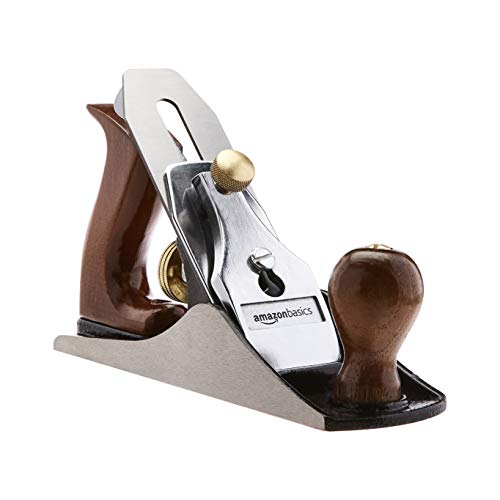 |
Amazon Basics No. 4 Smoothing Plane | Cost effective design | Standard smoothing size | Adjustable blade depth | View on Amazon | Read Review |
| STEM Educational Tool |  |
Balsa Wood Model Airplane Kit | No glue needed | Encourages STEM learning | Fast assembly time | View on Amazon | Read Review |
| Complete Starter Kit |  |
Kakuri Japanese Woodworking Tool Set | Everything in one box | Japanese quality standards | Practical carry bag | View on Amazon | Read Review |
| Ideal Curve Controller |  |
Adjustable Spokeshave Shaping Kit | Excellent for curves | Includes multiple blades | Highly portable size | View on Amazon | Read Review |
| Technical Setup Guide |  |
Getting Started with Handplanes Book | Step by step instructions | Focuses on setup | Excellent diagrams | View on Amazon | Read Review |
| Premium Smoothing Choice |  |
Kakuri Japanese White Oak Plane | Laminated steel blade | Durable white oak | Superior finish quality | View on Amazon | Read Review |
More Details on Our Top Picks
-
Fine Woodworking Working with Handplanes
Before you sharpen your first blade, start here. This guide acts as the theoretical blueprint for your workshop, stripping away the mystery surrounding plane setup and geometry. It is the best resource for those who want to understand the mechanics of wood removal before purchasing expensive hardware.
The content focuses on helping you avoid common mistakes that lead to frustration. While it won't physically smooth a board for you, it saves you from the costly trial and error that plagues most beginners.
- Target User:Beginners
- Additional Feature:Detailed hardware adjustments
- Additional Feature:Troubleshooting common issues
- Additional Feature:Professional wood finishing tips
-
Jorgensen No. 101 Mini Plane
This mini plane is your go-to for delicate trimming and tight corners where full-sized tools simply cannot reach. Its ductile iron body provides a sturdy feel, ensuring it doesn't flex under pressure when you are refining small joints or edges.
Think of it as a scalpel rather than a sledgehammer. You will find it perfectly suited for intricate hobby work, though its size makes it inefficient for flattening large surfaces or heavy stock removal.
- Brand Name:Jorgensen
- Plane Type:Mini Block Plane
- Body Material:Ductile Iron
- Additional Feature:Adjustable cutting depth
- Additional Feature:Ergonomic compact frame
- Additional Feature:Ideal for small crafts
-
Jorgensen No. 60-1/2 Block Plane
The low angle design makes this plane a true workhorse for end-grain work. It sits low in your palm, allowing for superior control when you need to square up a board or clean up a sawn edge.
It is a fantastic first purchase for anyone starting a basic collection. Because the mouth is adjustable, you can tighten it to minimize tear-out on difficult grain patterns.
- Brand Name:Jorgensen
- Plane Type:Low Angle Block
- Body Material:Ductile Iron
- Additional Feature:Precision depth adjustment
- Additional Feature:Durable metal construction
- Additional Feature:Easy blade maintenance
-
Kakuri Japanese Block Plane 42mm
Switching to a Japanese plane requires a different technique, as you pull rather than push the tool. This Kakuri model features a sharp steel blade set into a traditional oak body, offering a unique tactile feedback that western tools lack.
It excels at fine smoothing and chamfering small components. If you are accustomed to pushing planes, the learning curve might feel steep, but the resulting finish on your wood is often worth the effort.
- Brand Name:Kakuri
- Plane Type:Kanna Block Plane
- Blade Width:42mm
- Body Material:Oak
- Additional Feature:Japanese steel blade
- Additional Feature:Compact 5.9 inch size
- Additional Feature:Simple maintenance requirements
-
Amazon Basics No. 4 Smoothing Plane
If you need a general-purpose smoothing plane without spending a fortune, this is your entry point. It handles the standard flattening tasks most beginners face during their first few furniture projects.
You should plan on spending time tuning the blade and sole upon arrival to get the best performance. It functions adequately for basic DIY, though it lacks the refined fit and finish of premium professional tools.
- Brand Name:Amazon Basics
- Plane Type:Smoothing Plane
- Blade Width:2 Inches
- Body Material:Metal
- Target User:Beginners
- Additional Feature:Adjustable depth settings
- Additional Feature:Classic wooden handles
- Additional Feature:Precision metal body
-
Balsa Wood Model Airplane Kit
This kit is intended for assembly rather than woodworking, serving as a fun introduction to flight physics. It works well if you want a quick project to share with younger builders or to learn the basics of balsa wood properties.
Do not confuse this with a tool for building furniture. It is strictly for creating model gliders through simple friction-fit assembly rather than traditional planing or shaping.
- Tool Count:4 Planes
- Target User:Kids and beginners
- Additional Feature:Rubber band powered
- Additional Feature:Outdoor flight capable
- Additional Feature:Educational design focus
-
Kakuri Japanese Woodworking Tool Set
Acquiring individual tools can be overwhelming, so this set packages the essentials into one purchase. You receive a dedicated Japanese plane, saw, and chisels, providing a solid foundation for traditional woodworking.
It is designed for those who want to start manual joinery right away. The inclusion of a bag keeps your new gear protected, though you will eventually want to upgrade individual components as your skill level increases.
- Brand Name:Kakuri
- Tool Count:7 Pieces
- Target User:Beginners
- Additional Feature:Includes hand saw
- Additional Feature:Includes marking gauge
- Additional Feature:Durable storage bag included
-
Adjustable Spokeshave Shaping Kit
When you need to shape chair legs or curved edges, a standard plane will fail you. This spokeshave kit allows you to sculpt contours with precision, acting like a drawknife with a depth-limiting sole.
It comes with multiple blades, making it adaptable for different types of wood and shaping tasks. The learning curve is moderate, but it is the most efficient way to achieve smooth, graceful curves on your projects.
- Brand Name:Unbranded
- Plane Type:Spokeshave
- Tool Count:6 Blades
- Additional Feature:Adjustable depth control
- Additional Feature:Versatile wood shaping
- Additional Feature:Lightweight metal body
-
Getting Started with Handplanes Book
This book acts as a comprehensive manual for maintaining and using your planes. It explains how to set up your tools for maximum efficiency, which is a hurdle that stops many beginners in their tracks.
You will find clear instructions on sharpening and blade geometry inside. It is a necessary reference for anyone who wants to ensure their tools perform at their peak rather than struggling with dull, poorly tuned equipment.
- Target User:Woodworking Beginners
- Additional Feature:Sharpening techniques
- Additional Feature:Blade geometry guide
- Additional Feature:Troubleshooting advice
-
Kakuri Japanese White Oak Plane
This 7-inch version offers a slightly longer footprint than the smaller block planes, providing better reference on long edges. The laminated Japanese steel takes an incredibly sharp edge, allowing you to create glass-like finishes on your workpieces.
Its white oak body is dense and stable, resisting wear through years of shop use. This is a great choice if you prefer the pull-stroke style and want a tool that grows with your evolving woodworking skills.
- Brand Name:Kakuri
- Plane Type:Kanna Smoothing
- Blade Width:42mm
- Body Material:White Oak
- Additional Feature:High performance steel
- Additional Feature:Ergonomic design
- Additional Feature:Smooth surface transition
Frequently Asked Questions
Do I really need to buy a sharpening kit?
Yes, your plane is only as good as its edge. You need at least a diamond stone or water stone to keep the iron razor-sharp. Without the ability to sharpen, even the most expensive plane will eventually become useless. Learning to hone your blade is the most valuable skill you can acquire as a woodworker.
Can I use a vintage plane instead of a new one?
Vintage planes are excellent if you enjoy the restoration process. Many older models feature higher quality iron than modern budget options. Just be prepared to spend time cleaning rust and flattening the sole. If you want to start building immediately, a factory-tuned new plane is a safer bet.
How do I know if the sole is flat?
Place the plane on a known flat surface like a piece of glass or a granite plate. If you can slide a thin piece of paper under the center of the sole, it is not perfectly flat. Most beginners do not need a perfectly lapped sole to achieve great results. Focus on getting a sharp blade first before worrying about microscopic deviations in the base.
Should I buy a block plane or a bench plane first?
Buy a bench plane first because it does more of the heavy lifting. Bench planes are designed for flattening boards and preparing surfaces for finish. Block planes are handy for trimming end grain or small adjustments. They are a great second purchase once you master the basics of the bench plane.
Why does my plane keep digging into the wood?
You likely have the blade set to take too deep of a cut. Retract the iron until it is almost flush with the sole, then adjust slowly until you get thin, curly shavings. Keep your plane moving in a steady motion across the surface. Stopping mid-stroke or applying too much pressure at the end will cause the tool to gouge the wood.