The searing scent of toasted cumin and fresh chili often lingers long after the meal ends. It is an invitation to recreate those layered, complex flavors in your own kitchen, yet the sheer variety of regional styles can leave you spinning.
Focusing on the Best Indian Cookbooks narrows your search to authoritative voices and proven methods. These collections act as a bridge between professional expertise and your stovetop. Here are the volumes that define the craft.
Key Takeaways
- Prioritize books that dedicate significant space to foundational techniques and spice blending rather than just ingredient lists.
- Check the regional focus to ensure you are getting the specific style of cuisine you prefer, such as coastal versus northern.
- Look for authors who provide clear instructions on how to handle fresh produce and traditional pulses effectively.
- Choose volumes with helpful headnotes that explain the cultural context behind a dish to deepen your understanding.
- Verify that the layout includes clear photography so you can recognize the proper texture and color of finished curries.
| Definitive Culinary Classic |  |
The Best of India Cookbook | Authoritative recipe selection | Balanced flavor profiles | Clear instructional writing | View on Amazon | Read Review |
| Global Flavor Authority |  |
At-Home Recipes from Indian Streets | Authentic street food focus | Cultural storytelling | Broad regional variety | View on Amazon | Read Review |
| Modern Cafe Favorite |  |
Dishoom Restaurant Cookbook | High-quality photography | Iconic restaurant recipes | Parsi cuisine focus | View on Amazon | Read Review |
| Approachable Home Cooking | 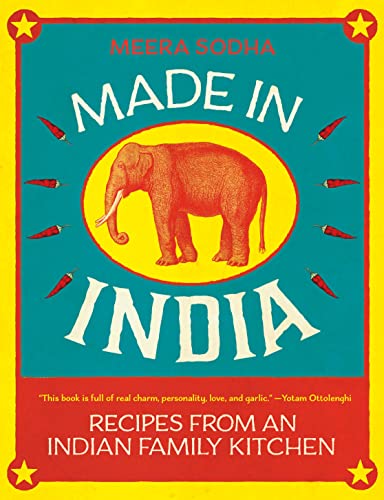 |
Made in India Family Kitchen | Extremely user-friendly | Accessible ingredient lists | Reliable, consistent results | View on Amazon | Read Review |
| Technical Masterclass Guide |  |
The Indian Cooking Course | Extensive technique breakdowns | Professional-grade instruction | Large recipe volume | View on Amazon | Read Review |
| Influential Legacy Text |  |
An Invitation to Indian Cooking | Legendary author expertise | Time-tested recipes | Cultural foundational knowledge | View on Amazon | Read Review |
| Plant-Based Expert |  |
Vegetarian India Home Cooking | Vibrant vegetarian variety | Deep regional exploration | Fresh, seasonal ingredients | View on Amazon | Read Review |
| Massive Encyclopedic Reference |  |
India The Cookbook | Incredible recipe variety | Comprehensive regional coverage | Sturdy reference material | View on Amazon | Read Review |
| Flavor-Forward Exploration |  |
Chaat Recipes and Markets | Unique snack focus | Bold flavor combinations | Engaging cultural narrative | View on Amazon | Read Review |
| Geographic Culinary Atlas |  |
Complete Indian Regional Cookbook | Well-organized regional structure | Diverse flavor palettes | Easy navigation by region | View on Amazon | Read Review |
More Details on Our Top Picks
-
The Best of India Cookbook
This collection acts as a comprehensive guide for anyone wanting to understand the foundational flavors of India. It works like a primary textbook, balancing complex regional classics with accessible versions for your weeknight kitchen.
You will appreciate the structured approach to spice blends and foundational sauces. The only drawback is that the presentation lacks the glossy, high-fashion photography found in more modern, coffee-table style volumes.
- Primary Focus:Classic Indian cuisine
- Culinary Context:Home cooking fundamentals
- Skill Level:Beginner to intermediate
- Additional Feature:Authentic spice blend instructions
- Additional Feature:Traditional sauce preparations
- Additional Feature:Wide regional coverage
-
At-Home Recipes from Indian Streets
If you crave the vibrant intensity of roadside stalls and bustling markets, this is your primary reference. It captures the spirit of travel, bringing the messy, delicious reality of Indian street food into your home.
The writing feels like a guided tour through village kitchens and train stations. Keep in mind that some ingredients require a trip to a specialty market, so check your pantry before you commit to a recipe.
- Primary Focus:Street food and snacks
- Culinary Context:Travel-inspired home cooking
- Skill Level:Intermediate
- Additional Feature:Diverse regional spotlights
- Additional Feature:Cultural historical context
- Additional Feature:Practical market tips
-
Dishoom Restaurant Cookbook
This book brings the cult-favorite atmosphere of the famous London restaurant straight to your breakfast table. It focuses on the Parsi-Indian tradition, offering recipes that feel both nostalgic and incredibly fresh.
The visual presentation is stunning, making it as much a design piece as a kitchen tool. Be prepared for recipes that require time and patience, as they prioritize depth of flavor over speed.
- Primary Focus:Parsi-Indian fusion
- Culinary Context:Modern restaurant style
- Skill Level:Advanced
- Additional Feature:Iconic breakfast dishes
- Additional Feature:Beautiful lifestyle imagery
- Additional Feature:Restaurant-style plating tips
-
Made in India Family Kitchen
Meera Sodha strips away the intimidation factor, proving that authentic Indian food is well within your reach. This is the ideal companion for someone who finds traditional recipes too dense or overly complicated.
The instructions are exceptionally concise, focusing on fresh ingredients rather than a million steps. You might find the selection slightly smaller than massive encyclopedic volumes, but the success rate for every dish is remarkably high.
- Primary Focus:Modern home cooking
- Author Origin:British-Indian
- Culinary Context:Contemporary family meals
- Skill Level:Beginner
- Additional Feature:Seasonal vegetable focus
- Additional Feature:Quick prep techniques
- Additional Feature:Minimalist cooking style
-
The Indian Cooking Course
If you want to understand the science of spices, this volume serves as your masterclass. It breaks down techniques like tempering and grinding into clear, logical steps that function like a culinary school curriculum.
The layout is deeply informative, catering to those who want to improve their core skills rather than just following a list of ingredients. It is quite dense, so you should approach it as a reference tool rather than a casual weekend read.
- Primary Focus:Cooking techniques
- Recipe Count:300 recipes
- Skill Level:Professional beginner
- Additional Feature:Ingredient deep-dives
- Additional Feature:Step-by-step masterclasses
- Additional Feature:Professional plating advice
-
An Invitation to Indian Cooking
Madhur Jaffrey’s work is the gold standard for introducing Indian flavors to international kitchens. It reads like a personal letter from a master teacher, guiding you through the nuances of authentic home cooking.
The timeless quality of these recipes ensures they stay relevant decades after the original release. Because it is a classic, you will not find the modern, high-gloss food photography that dominates current publishing trends.
- Primary Focus:Traditional Indian cuisine
- Author Origin:Indian
- Culinary Context:Heritage cooking
- Skill Level:Intermediate
- Additional Feature:Historical culinary perspective
- Additional Feature:Classic flavor combinations
- Additional Feature:Cultural authentic techniques
-
Vegetarian India Home Cooking
This book highlights the natural brilliance of Indian vegetarianism, moving far beyond the standard buffet fare. It showcases how varied and satisfying meat-free meals can be when treated with respect and technique.
Meera Sodha explores the diverse regional traditions that make Indian vegetarian cooking a world leader. It is a fantastic choice if you want to expand your plant-based repertoire without relying on processed meat substitutes.
- Primary Focus:Vegetarian cuisine
- Culinary Context:Regional home cooking
- Skill Level:Intermediate
- Additional Feature:Seasonal vegetable focus
- Additional Feature:Regional plant-based traditions
- Additional Feature:Authentic spice profiles
-
India The Cookbook
Think of this book as the ultimate dictionary for Indian cuisine. It is a sprawling, heavy volume that aims to capture the breadth of an entire subcontinent in one place.
You will find a staggering array of recipes that cover every corner of the map. Due to its sheer size, it is best suited for those who are already comfortable in the kitchen and want to build a vast library of regional specialties.
- Primary Focus:All-encompassing Indian cuisine
- Recipe Count:Extensive
- Culinary Context:National culinary survey
- Skill Level:Intermediate to advanced
- Additional Feature:Regional geography focus
- Additional Feature:Traditional preparation methods
- Additional Feature:Diverse flavor spectrum
-
Chaat Recipes and Markets
This book is a love letter to the explosive, tangy, and crunchy snacks of India. It focuses entirely on the intersection of savory, sweet, and spicy flavors that define the street food experience.
The writing is vivid and energetic, pulling you directly into the chaos of the marketplace. Be aware that this is a niche book; if you are looking for heavy curries or stews, this is not the right starting point for your collection.
- Primary Focus:Indian street snacks
- Culinary Context:Market and rail travel
- Skill Level:Intermediate
- Additional Feature:Tangy condiment recipes
- Additional Feature:Creative snack assemblies
- Additional Feature:Regional street food history
-
Complete Indian Regional Cookbook
This guide organizes the vast complexity of Indian food by region, allowing you to explore the specific flavors of the North, South, East, and West. It functions like a map, helping you understand how geography dictates the pantry.
You get a clear sense of place with every recipe you prepare. It does sacrifice some depth for the sake of breadth, as it tries to cover so many distinct cultures in a single volume.
- Primary Focus:Regional specialties
- Recipe Count:300 recipes
- Culinary Context:Geographic survey
- Skill Level:Beginner to intermediate
- Additional Feature:Regional ingredient guides
- Additional Feature:Traditional cultural pairings
- Additional Feature:Diverse cooking methods
Frequently Asked Questions
Do I need a full spice cabinet to start cooking Indian food?
You do not need every spice in the world, but you should start with the basics. Invest in high-quality turmeric, cumin, coriander, and chili powder first. Once you have these, you can build your collection as your specific recipe preferences grow.
Are these recipes difficult for a beginner?
Indian cooking is often intimidating because of the long ingredient lists. However, most dishes follow a predictable structure once you learn the basics of base gravies. Start with a book focused on home-style cooking rather than restaurant-style techniques to keep the frustration levels low.
Why do some recipes call for so many steps?
The layering of flavors is the secret to a great curry. Many recipes require you to toast spices or cook onions until they are perfectly caramelized to build a foundation. Think of it like painting a canvas, where each layer adds depth and complexity to the final result.
Should I buy a book with color photos for every recipe?
Visuals are helpful, but they are not the only measure of a book's worth. A book with fewer images but detailed instructions is often more practical for a learner. Use photos to guide your expectations for texture, but trust the written technique for the actual cooking process.
Can I use a standard Western kitchen setup?
You likely already have everything you need in your cupboards. A heavy-bottomed pan or a standard dutch oven works perfectly for most curries and dals. You do not need specialized equipment to achieve authentic results in your own kitchen.