
Years ago, capturing high-speed action in dim gymnasiums meant accepting grainy, blurry images or relying on expensive, heavy gear. Today, modern optics allow you to freeze motion with clarity that was once reserved for stadium professionals.
Selecting the right glass is the difference between a crisp shot and a wasted opportunity. Here are the Best Lenses for Indoor Sports Photography to help you identify your next upgrade.
Key Takeaways
- Prioritize a constant wide aperture like f/2.8 to maintain fast shutter speeds in low-light arenas.
- Ensure the lens features high-speed autofocus motors to track erratic movement across the court.
- Opt for focal lengths between 70mm and 200mm to cover most indoor action without needing to be court-side.
- Check that your camera body and lens combination support effective image stabilization for handheld shooting.
- Consider weight if you plan to shoot for long periods, as heavy telephoto lenses cause fatigue during extended games.
| Ultimate Low Light Specialist |  |
Sigma 200mm F2 DG OS | Extremely bright f/2 aperture | Class-leading optical stabilization | Fast HLA autofocus motor | View on Amazon | Read Review |
| Versatile Daytime Performer |  |
Canon RF 100-400mm F5.6-8 | Exceptional zoom range | Lightweight, portable design | Quiet Nano USM focus | View on Amazon | Read Review |
| Budget Starter Lens | 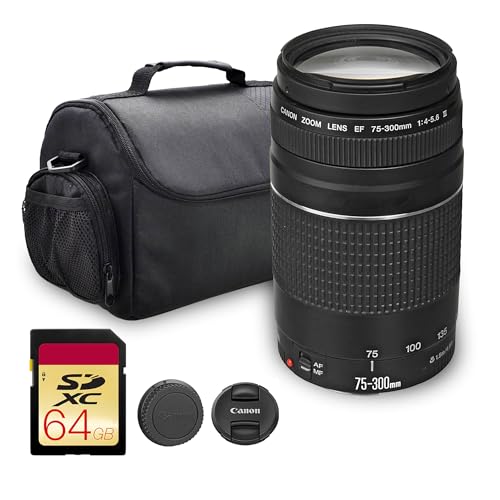 |
Canon EF 75-300mm f/4-5.6 III | Very accessible pricing | Lightweight for travel | Versatile zoom range | View on Amazon | Read Review |
| Pro Grade Workhorse |  |
Sigma 70-200mm f/2.8 Sports | Constant f/2.8 aperture | Rugged sports construction | Intelligent OS system | View on Amazon | Read Review |
| Sharp Lightweight Classic |  |
Canon EF 70-200mm f/4L USM | Superb image sharpness | Compact L-series design | Fast ring-type USM | View on Amazon | Read Review |
| Reliable Mirrorless Reach |  |
Canon RF 100-400mm f/5.6-8 | Strong image stabilization | Fast Nano USM motor | Great reach for sports | View on Amazon | Read Review |
| Standard Optical Zoom |  |
Canon EF 75-300mm III SLR | Very portable size | Simple to operate | Wide zoom range | View on Amazon | Read Review |
| Mirrorless Convenience Option | 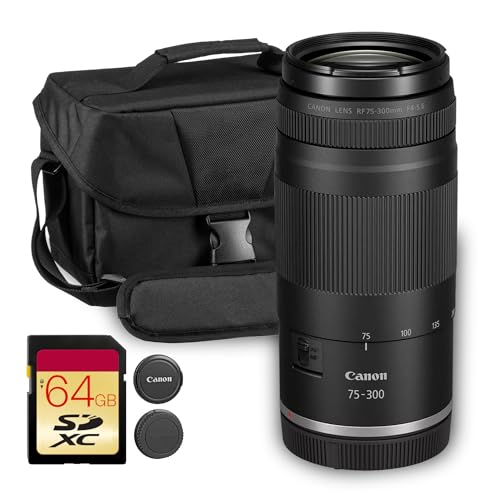 |
Canon RF 75-300mm Compact Zoom | Lightweight mirrorless build | Good focal flexibility | Smooth autofocus system | View on Amazon | Read Review |
| Professional Mirrorless Standard |  |
Canon RF 70-200mm F2.8 L | Constant f/2.8 aperture | Superior L-series sharpness | Excellent optical stabilization | View on Amazon | Read Review |
| Basic Entry Option |  |
Canon EF 75-300mm Black Zoom | Very affordable entry point | Lightweight for carry | Simple zoom mechanics | View on Amazon | Read Review |
More Details on Our Top Picks
-
Sigma 200mm F2 DG OS
If you regularly shoot in dim gymnasiums, this lens is your best friend. The f/2 aperture acts like a floodlight, allowing for the high shutter speeds necessary to freeze fast-moving athletes without cranking your ISO to grainy levels.
The 6.5-stop stabilization creates a rock-solid image, even if you are shooting handheld. Just keep in mind that a prime lens at this focal length lacks the flexibility of a zoom, so you must position yourself carefully on the sidelines.
- Brand:Sigma
- Lens Type:Prime
- Focal Range:200mm
- Aperture Range:f/2
- Focus Motor:HLA
- Image Stabilization:Yes
- Additional Feature:Weather-resistant construction
- Additional Feature:Customizable focus buttons
- Additional Feature:High-resolution optical design
-
Canon RF 100-400mm F5.6-8
This lens gives you a massive reach for sports played in larger, well-lit arenas. It is surprisingly lightweight, making it comfortable to hold during long tournaments where a heavy lens would quickly become an anchor around your neck.
However, the variable aperture is restrictive. You will struggle to get clean shots in dark venues, so save this one for matches under bright, professional lighting.
- Brand:Canon
- Lens Type:Telephoto Zoom
- Focal Range:100-400mm
- Aperture Range:f/5.6-8
- Focus Motor:Nano USM
- Image Stabilization:Yes
- Additional Feature:Optical image stabilization
- Additional Feature:Compact mirrorless design
- Additional Feature:Responsive focus tracking
-
Canon EF 75-300mm f/4-5.6 III
This is an entry-level option for those just starting to explore sports photography. It covers a helpful focal range, letting you get close to the action from the bleachers without spending a small fortune.
Be aware that the autofocus speed is not built for high-stakes action. You might miss the occasional fast-break play, but it remains a functional choice for hobbyists learning the ropes.
- Brand:Canon
- Lens Type:Telephoto Zoom
- Focal Range:75-300mm
- Aperture Range:f/4-5.6
- Additional Feature:Compact physical footprint
- Additional Feature:Simple autofocus operation
- Additional Feature:Compatible with EF mount
-
Sigma 70-200mm f/2.8 Sports
Every serious sports photographer needs a reliable 70-200mm lens. The constant f/2.8 aperture ensures your settings remain consistent as you zoom, which is vital when the action shifts from one end of the court to the other.
This lens is built like a tank, offering excellent durability for outdoor and indoor use. It is physically heavy, so consider using a monopod to take the strain off your arms during a full game.
- Brand:Sigma
- Lens Type:Telephoto Zoom
- Focal Range:70-200mm
- Aperture Range:f/2.8
- Image Stabilization:Yes
- Additional Feature:Dust and splash resistance
- Additional Feature:Focus limiter switch
- Additional Feature:High-performance optical glass
-
Canon EF 70-200mm f/4L USM
If you want professional optics without the weight of an f/2.8 lens, this is your answer. The L-series glass provides incredible clarity and contrast, making your player portraits look crisp and vibrant.
The f/4 aperture is slightly slower, which requires better ambient light than the f/2.8 versions. It is a fantastic choice for bright gyms or daytime events where mobility is a priority.
- Brand:Canon
- Lens Type:Telephoto Zoom
- Focal Range:70-200mm
- Aperture Range:f/4
- Focus Motor:Ring-Type USM
- Additional Feature:Internal zooming mechanism
- Additional Feature:Full-time manual focus
- Additional Feature:Durable weather-sealed finish
-
Canon RF 100-400mm f/5.6-8
This lens is designed specifically for modern Canon mirrorless cameras. It brings the reach you need to capture athletes on the far side of the field, and the image stabilization helps keep your shots steady.
Like other variable aperture lenses, it is a daytime or bright-stadium performer. It is a smart pick if you prioritize range over ultra-wide apertures.
- Brand:Canon
- Lens Type:Telephoto Zoom
- Focal Range:100-400mm
- Aperture Range:f/5.6-8
- Focus Motor:Nano USM
- Image Stabilization:Yes
- Additional Feature:Optimized for mirrorless
- Additional Feature:Compact storage size
- Additional Feature:Smooth autofocus performance
-
Canon EF 75-300mm III SLR
This is a straightforward lens for Canon DSLR users who want to get closer to the action. It is uncomplicated and does exactly what it promises, providing a basic zoom range for casual sports events.
The autofocus motor is standard, not silent or ultra-fast. It performs best when you have plenty of natural light to work with.
- Brand:Canon
- Lens Type:Telephoto Zoom
- Focal Range:75-300mm
- Aperture Range:f/4-5.6
- Additional Feature:Lightweight barrel design
- Additional Feature:Compatible with EF mount
- Additional Feature:Manual focus ring
-
Canon RF 75-300mm Compact Zoom
Designed for the RF mount, this lens is a travel-friendly companion for your mirrorless body. It covers the essential zoom range, making it a solid pick for covering youth sports or local matches.
The build is designed for ease of use rather than extreme speed. You will find it most effective when the action is relatively predictable and the lighting is ample.
- Brand:Canon
- Lens Type:Telephoto Zoom
- Focal Range:75-300mm
- Aperture Range:f/4-5.6
- Additional Feature:Compact form factor
- Additional Feature:Silent focus motor
- Additional Feature:RF mount compatibility
-
Canon RF 70-200mm F2.8 L
This lens is the gold standard for many professional sports photographers. The constant f/2.8 aperture handles low-light gym conditions with ease, while the optics provide breathtaking sharpness across the entire frame.
It is surprisingly compact for its performance, and the built-in stabilization is incredibly effective. This is a significant investment that pays off in every frame you capture.
- Brand:Canon
- Lens Type:Telephoto Zoom
- Focal Range:70-200mm
- Aperture Range:f/2.8
- Focus Motor:USM
- Image Stabilization:Yes
- Additional Feature:Weather-resistant body
- Additional Feature:Silent focus tracking
- Additional Feature:Advanced lens coating
-
Canon EF 75-300mm Black Zoom
If you are looking for an affordable way to start shooting sports, this black finish telephoto is a classic choice. It gives you the reach required to capture distant action without overcomplicating your setup.
Keep your expectations in check regarding low-light performance. It functions best when you are shooting outdoors or in arenas with generous overhead lighting.
- Brand:Canon
- Lens Type:Telephoto Zoom
- Focal Range:75-300mm
- Aperture Range:f/4-5.6
- Additional Feature:Standard EF mount
- Additional Feature:Manual focus switch
- Additional Feature:Compact design profile
Frequently Asked Questions
Do I really need a prime lens instead of a zoom?
Prime lenses offer a wider aperture, which is a massive advantage in poorly lit arenas. If you have a fixed position, a prime lens provides unmatched clarity. However, most professionals prefer the versatility of a zoom to handle varied play areas.
Will my entry-level camera body limit these lenses?
While a professional camera body offers faster tracking, the lens is the primary collector of light. A high-quality lens will still produce superior results on an entry-level body compared to a kit lens. You will notice a significant boost in image quality immediately.
Should I invest in a monopod for indoor sports?
A monopod is your best friend during a long tournament. It removes the weight burden from your arms while keeping the camera perfectly steady for vertical panning. You will find that your keeper rate improves significantly when your gear is properly supported.
Why do my photos look blurry even with a fast lens?
Blur usually stems from a shutter speed that is too slow to freeze human motion. Ensure your shutter speed is at least 1/500th of a second, though 1/1000th is better for fast sports. Increase your ISO settings to allow for these higher speeds without sacrificing light.
Are third-party lenses worth the savings?
Modern third-party optics now rival the performance of big-name brand equivalents. You can often find lenses from reputable manufacturers that provide identical image quality at a lower price point. Compare the autofocus speed closely, as this is where the premium brands sometimes maintain a slight edge.