The secret to enjoying opera is not in the complexity of the score, but in the clarity of the narrative arc. You need a guide that acts like a lamp in a dark theater rather than a textbook.
These picks represent the Best Opera Recordings for Beginners because they balance historical context with approachable critique. Choosing the right entry point turns a confusing wall of sound into a compelling story. Let’s explore your path toward musical appreciation.
Key Takeaways
- Prioritize guides that emphasize plot summaries over purely technical music theory.
- Look for collections that include original source material or remastered historical archives.
- Ensure the instructional material includes supplemental audio tracks for active listening practice.
- Verify that the publication date is recent enough to cover modern performance standards and digital accessibility.
- Choose volumes that explicitly state they are designed for the non-expert or novice audience.
| Best Overall Introduction |  |
The History of Opera For Beginners | Accessible historical overview | Perfect for total novices | Extremely readable prose | View on Amazon | Read Review |
| Essential Archival Reference | 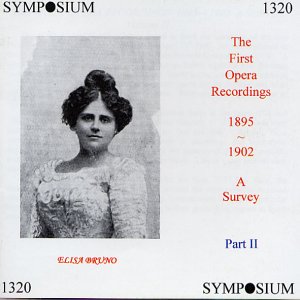 |
First Opera Recordings 1895-1902 Survey | Rare historical recordings | Captures legendary voices | Significant archival value | View on Amazon | Read Review |
| Witty Plot Companion |  |
A Night at the Opera Guide | Highly entertaining writing | Deciphers complex plots | Helpful singer profiles | View on Amazon | Read Review |
| Expert Discography Resource | 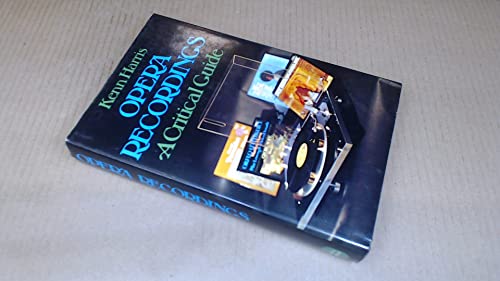 |
Opera Recordings A Critical Guide | Honest critical reviews | Practical buying advice | Broad selection covered | View on Amazon | Read Review |
| Practical Performance Starter |  |
Easy Renaissance Pieces for Guitar | Includes online audio | Suitable for beginners | High-quality sheet music | View on Amazon | Read Review |
| Versatile Instrument Practice |  |
Rubank Book of Flute Solos | Includes piano accompaniment | Great for technique | Accessible difficulty levels | View on Amazon | Read Review |
| Essential Technical Foundation |  |
Czerny Practical Method for Piano | Builds hand independence | Time-tested exercises | Includes online audio | View on Amazon | Read Review |
| Fingerstyle Learning Path | 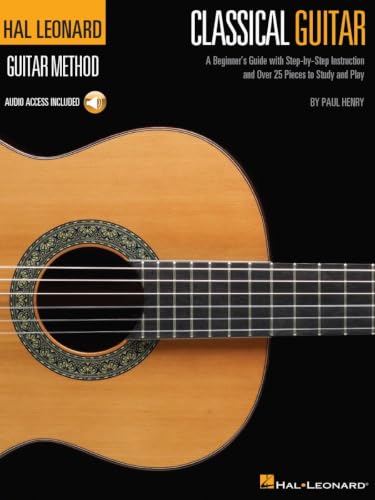 |
Hal Leonard Classical Guitar Method | Excellent sight-reading help | Clear instructional pacing | Includes online audio | View on Amazon | Read Review |
| Ensemble Playing Intro |  |
Trapp Family Recorder Method | Focuses on ensemble play | Good for duets | Clear instructional steps | View on Amazon | Read Review |
| Complete Educational Overview |  |
Opera 101 Learning Guide | Deeply thorough content | Well-organized sections | Great for deep learning | View on Amazon | Read Review |
More Details on Our Top Picks
-
The History of Opera For Beginners
If you want to understand why opera matters without getting bogged down in academic jargon, this is your starting point. It functions as a clear map for the newcomer, connecting historical context to the music itself.
The book treats opera like a living story rather than a museum piece. You might miss some of the deeper musicological analysis, but you gain a firm grip on how the art form evolved.
- Instructional Level:Beginner
- Subject Focus:Opera history
- Additional Feature:Contextual cultural background
- Additional Feature:Explains artistic evolution
- Additional Feature:Engaging narrative style
-
First Opera Recordings 1895-1902 Survey
This collection acts as a time capsule for those who care about the roots of vocal performance. It documents the earliest efforts to capture the human voice on wax, providing a raw look at singers from the turn of the century.
You should choose this if you prefer historical authenticity over polished, modern production. Be aware that the audio quality is quite primitive compared to contemporary standards.
- Media Included:Audio recordings
- Subject Focus:Historical vocal performance
- Additional Feature:Covers 1895 to 1902
- Additional Feature:Documents early audio technology
- Additional Feature:Includes diverse vocal styles
-
A Night at the Opera Guide
Opera plots can feel like a dense forest of mistaken identities and sudden deaths. This book acts as your sharp machete, cutting through the confusion with a heavy dose of humor and common sense.
It is best for those who want to feel smart during intermission without taking the subject too seriously. You will find it light on technical musical theory, focusing instead on the dramatic narrative side of things.
- Instructional Level:Beginner
- Subject Focus:Plot and composer guide
- Additional Feature:Irreverent tone
- Additional Feature:Character relationship charts
- Additional Feature:Composer background summaries
-
Opera Recordings A Critical Guide
Think of this as a trusted scout in the vast wilderness of available recordings. It provides clear-headed critiques of various interpretations, helping you avoid mediocre versions of your favorite pieces.
This is best for building a library, as it highlights standout performances worth your time. The text is straightforward and does not waste space on unnecessary fluff.
- Instructional Level:Intermediate
- Subject Focus:Discography analysis
- Additional Feature:Comparative performance analysis
- Additional Feature:Clear recommendation structure
- Additional Feature:Focused on recording quality
-
Easy Renaissance Pieces for Guitar
If you want to play the music you hear in early operas, this book provides the tools to get started. It bridges the gap between classical theory and actual performance for the guitar.
You will appreciate the online audio tracks that help you hear how the pieces should sound. It focuses on the Renaissance period, so it offers a narrower scope than a general history book.
- Instructional Level:Beginner to intermediate
- Media Included:Online audio
- Subject Focus:Renaissance guitar
- Additional Feature:61 lute works
- Additional Feature:Performance practice tips
- Additional Feature:Standard notation included
-
Rubank Book of Flute Solos
Many opera melodies were adapted for solo instruments to help students learn phrasing. This collection uses classical standards to build your technique while keeping the music engaging.
It is designed for those who want to play rather than just listen. You get access to piano accompaniments, which helps you simulate the feel of a full performance.
- Instructional Level:Easy
- Media Included:Online audio
- Subject Focus:Flute performance
- Additional Feature:13 classical solos
- Additional Feature:Practice tools included
- Additional Feature:Standardized lesson progression
-
Czerny Practical Method for Piano
You cannot master the piano parts of opera without a solid technical base. This classic method book remains a gold standard for developing the finger strength and agility required for classical repertoire.
It is a demanding book that requires consistent practice to see results. Do not expect light reading, as this is a functional workbook for your instrument.
- Instructional Level:Beginner
- Media Included:Online audio
- Subject Focus:Piano technique
- Additional Feature:Op. 599 exercises
- Additional Feature:Progressive difficulty
- Additional Feature:Detailed technical guidance
-
Hal Leonard Classical Guitar Method
This is the most structured approach for moving from zero to playing classical repertoire. It covers the basics of reading music and fingerstyle technique with clarity.
You will find the online audio examples to be a great way to verify your progress. It is a modern, clean guide that avoids the dusty, overly complicated teaching methods of the past.
- Instructional Level:Beginner
- Media Included:Online audio
- Subject Focus:Classical guitar
- Additional Feature:Fingerstyle technique lessons
- Additional Feature:Classical repertoire included
- Additional Feature:Step-by-step reading guide
-
Trapp Family Recorder Method
Learning to play in a group is a core skill for any budding musician. This book teaches you how to harmonize and listen to others, which is the exact same skill needed to appreciate opera ensembles.
It is a charming, family-friendly guide that makes complex rhythms seem simple. It is limited specifically to the recorder, so it won't help you with other instruments.
- Instructional Level:Beginner
- Media Included:Sheet music
- Subject Focus:Recorder technique
- Additional Feature:Includes duets and trios
- Additional Feature:Embellishment lessons
- Additional Feature:Classic method approach
-
Opera 101 Learning Guide
This is your comprehensive textbook for everything related to the opera house. It covers the history, the voices, and the structures of the music in a way that feels complete.
Use this if you want to move beyond the basics and understand the inner workings of the art form. It is dense but rewarding for those who are serious about becoming fans.
- Instructional Level:Beginner
- Subject Focus:General opera education
- Additional Feature:Explains vocal ranges
- Additional Feature:Guide to opera etiquette
- Additional Feature:Production terminology guide
Frequently Asked Questions
Do I need to understand Italian to enjoy opera?
Not at all. You treat opera like a foreign film where the music conveys the emotion even when you miss a specific word. Most recordings provide synopses and translations that help you follow the drama. Once you know the story, you can simply let the music wash over you.
Which composer is best for a first-time listener?
Start with Wolfgang Amadeus Mozart or Giacomo Puccini. Their melodies are incredibly accessible and often feel like they were written yesterday. Mozart offers wit and charm, while Puccini provides soaring, romantic themes that hook you instantly. Avoid dense, experimental works until you have a few classics under your belt.
Are physical CDs still worth buying?
Physical media is a tangible experience that invites you to slow down. The included booklets often contain historical essays and photography that digital files simply cannot replicate. If you value archival quality, a physical disc provides a permanent copy that you own forever. It removes the risk of a streaming service suddenly removing your favorite album.
How long does a typical opera recording take to listen to?
Most operas last between two and four hours. Think of it as a long movie night rather than a quick song request. You do not have to listen in one sitting. Treat the recording like a book with chapters and enjoy it at your own pace.
Should I watch a video recording before buying an audio one?
Watching a production is the fastest way to learn how the staging impacts the music. Seeing the costumes and acting makes the characters feel human rather than just voices in the air. Once you are familiar with the visual performance, you will appreciate the nuances of the audio much more. It turns the listening experience into a mental movie.