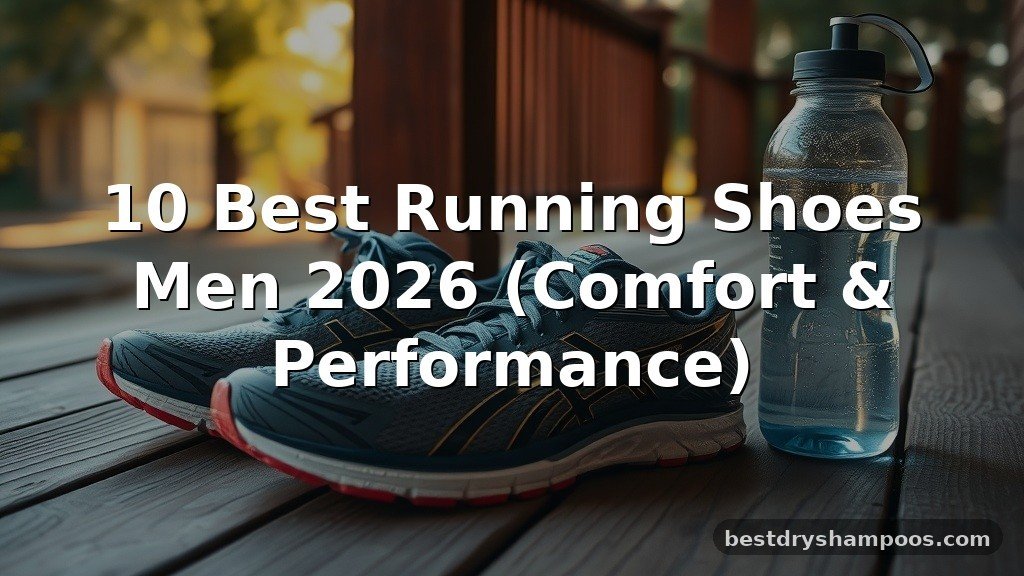
What really makes one running shoe better than another when you're covering serious miles?
The Best Running Shoes Men 2023 aren't just about flashy colors or brand names. They're about cushioning that protects your joints, support that keeps your stride stable, and materials that last beyond a few hundred miles. The right pair transforms every run from a chore into something you actually look forward to.
We've compared ten solid options across the specs that matter most. Here's what you need to know.
Key Takeaways
- Cushioning technology matters more than brand loyalty; look for foam compounds designed specifically for impact absorption over long distances.
- Neutral runners need different support than overpronators, so identify your gait type before choosing between stability and neutral models.
- Weight differences of even two ounces per shoe add up over a 5K, making lighter options worth considering for speed-focused training.
- Durability often correlates with outsole rubber quality and foam density, not just the sticker price.
- Break-in periods vary wildly by model; shoes that feel stiff out of the box may need 20-30 miles to reach optimal comfort.
| Race Day Ready |  |
ASICS Noosa TRI 16 Running Shoes | Fast transitions for triathlons | Responsive cushioning for speed work | Excellent wet-weather traction | View on Amazon | Read Review |
| Stability Workhorse |  |
Brooks Adrenaline GTS 25 Running Shoe | Corrects overpronation without stiffness | Comfortable for high-mileage weeks | Minimal break-in required | View on Amazon | Read Review |
| Daily Training Essential |  |
Brooks Ghost 18 Running Shoe | Versatile for multiple paces | Roomy toe box prevents crowding | Smooth heel-to-toe transition | View on Amazon | Read Review |
| Proven Performer |  |
Brooks Ghost 17 Neutral Running Shoe | Trusted neutral cushioning platform | Often available at discount | Familiar fit for Ghost veterans | View on Amazon | Read Review |
| Plush Distance Trainer | New Balance Fresh Foam X 1080 V14 | Maximum cushioning for joint protection | Comfortable bootie-style upper | Excellent for recovery runs | View on Amazon | Read Review | |
| Energized Response | 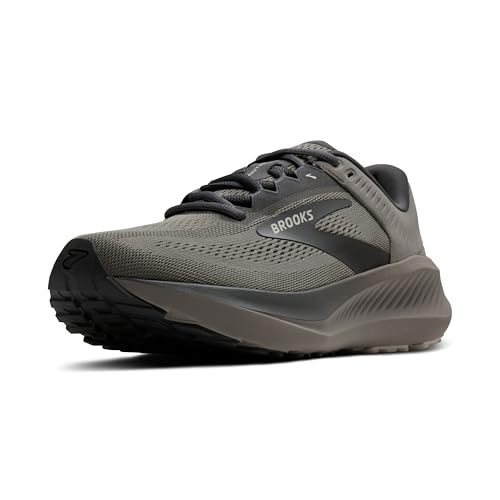 |
Brooks Anthem 8 Running Shoe | Energy return for faster paces | Secure midfoot lockdown | Ideal for tempo workouts | View on Amazon | Read Review |
| Maximum Cushion Cruiser |  |
Brooks Ghost Max 3 Running Shoe | Exceptional cushioning for long distances | Wide base provides stable platform | Reduces joint stress significantly | View on Amazon | Read Review |
| Minimalist Alternative | 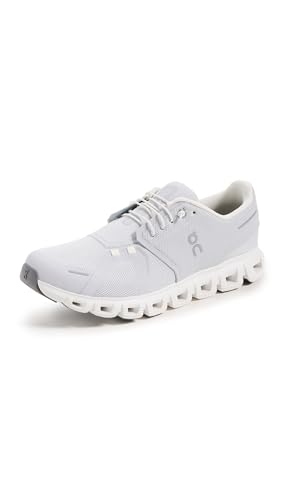 |
On Cloud 6 Road Running Shoes | Lightweight and responsive | Unique cushioning pod design | Good ground feel for form work | View on Amazon | Read Review |
| Budget-Friendly Starter | 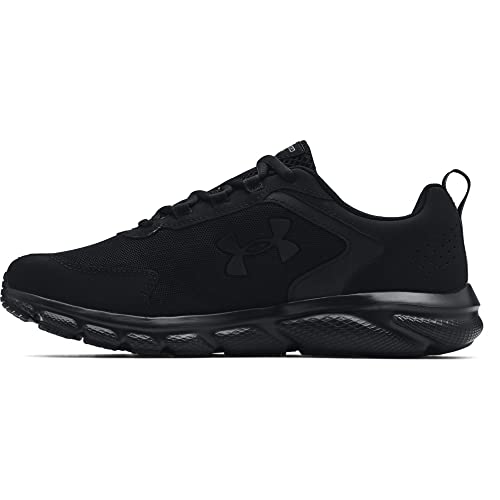 |
Under Armour Charged Assert 9 | Affordable for new runners | Durable leather overlays | Adequate cushioning for beginners | View on Amazon | Read Review |
| Versatile Value Pick |  |
Brooks Revel 8 Running Shoe | Works for running and gym | Stable base for lifting | Breathable knit upper | View on Amazon | Read Review |
More Details on Our Top Picks
-
ASICS Noosa TRI 16 Running Shoes
The ASICS Noosa TRI 16 sits at the top of this list for good reason. Triathletes and competitive runners gravitate toward this shoe because it transitions smoothly from bike to run, with a pull-tab design that speeds up changes. The bold, high-contrast colorways aren't just for show: they help you spot your gear in crowded transition zones.
Responsive cushioning keeps your legs fresh through long training blocks, while the grip pattern handles wet roads without hesitation. The fit runs slightly narrow through the midfoot, so if you have wider feet, you might need to size up or look elsewhere.
This is your go-to if you're chasing personal records or need a shoe that performs under pressure. The Noosa TRI 16 delivers speed without sacrificing comfort over distance.
- Brand:ASICS
- Model Series:Noosa TRI 16
- Shoe Type:Triathlon/Racing
- Additional Feature:Pull-tab for quick on-off
- Additional Feature:High-visibility colorways for transition zones
- Additional Feature:Engineered mesh upper for breathability
-
Brooks Adrenaline GTS 25 Running Shoe
If your feet tend to roll inward when you run, the Brooks Adrenaline GTS 25 offers structured support that feels natural rather than restrictive. This shoe has built a reputation over 25 iterations for one simple reason: it works for overpronators who log serious weekly mileage.
The GuideRails support system keeps your body in its natural alignment without the rigid feel of older stability shoes. You get enough cushioning for daily trainers but not so much that you lose ground feel. Runners with high arches sometimes find the support too aggressive, but for moderate to severe overpronation, this is the standard.
Brooks refined the upper construction to reduce irritation around the ankle collar. You can wear these straight out of the box for a 10-mile run without the usual break-in period.
- Brand:Brooks
- Model Series:Adrenaline GTS 25
- Shoe Type:Stability
- Cushioning Technology:GuideRails
- Additional Feature:GuideRails support system for alignment
- Additional Feature:Improved ankle collar for reduced irritation
- Additional Feature:DNA LOFT cushioning in midsole
-
Brooks Ghost 18 Running Shoe
The Ghost 18 represents Brooks' answer to the question every runner asks: what shoe can handle everything? Neutral runners who mix easy miles with tempo work find this shoe adapts to whatever pace you set.
Balanced cushioning gives you protection on concrete without the marshmallow feel that slows you down. The toe box offers enough room for your feet to swell during longer runs, and the segmented crash pad smooths out your heel strike. Some minimalist runners find it a bit too padded, but that's the trade-off for all-day comfort.
This is the shoe you reach for when you're not sure what the run will bring. Morning recovery jog or an impromptu interval session? The Ghost 18 handles both without complaint.
- Brand:Brooks
- Model Series:Ghost 18
- Shoe Type:Neutral
- Cushioning Technology:DNA LOFT
- Additional Feature:Segmented crash pad for smooth transitions
- Additional Feature:3D Fit Print upper for structure
- Additional Feature:Soft internal collar for ankle comfort
-
Brooks Ghost 17 Neutral Running Shoe
The Ghost 17 earned its spot here as the previous generation of Brooks' bestselling neutral trainer. Many runners still prefer this version because it offers the same reliable cushioning as the Ghost 18 at a lower price point when you catch it on sale.
You get the familiar DNA LOFT cushioning and neutral platform that made this series popular. The differences between the 17 and 18 come down to minor upper adjustments and colorway updates, not fundamental changes in how the shoe performs. If you've run in Ghosts before, you know exactly what you're getting.
Budget-conscious runners who don't need the latest tech often grab this model. The performance gap between generations is narrow enough that saving $20-30 makes sense for many training programs.
- Brand:Brooks
- Model Series:Ghost 17
- Shoe Type:Neutral
- Cushioning Technology:DNA LOFT
- Additional Feature:Engineered mesh upper for breathability
- Additional Feature:Segmented crash pad technology
- Additional Feature:Plush internal fit for comfort
-
New Balance Fresh Foam X 1080 V14
New Balance built the 1080 V14 for runners who prioritize soft landings over ground feel. The Fresh Foam X midsole delivers more cushioning than most shoes on this list, which makes it ideal for heavy runners or anyone recovering from impact injuries.
That plush ride comes with a trade-off: you sacrifice some responsiveness during faster efforts. Think of this as your long Sunday run shoe rather than your track workout companion. The upper wraps your foot in a bootie-like construction that eliminates pressure points but runs warm in summer heat.
Runners who've dealt with knee pain or shin splints often find relief in the 1080's generous cushioning. Just don't expect to hit your fastest times in these.
- Brand:New Balance
- Model Series:Fresh Foam X 1080 V14
- Shoe Type:Neutral/Road
- Cushioning Technology:Fresh Foam X
- Additional Feature:Ultra-plush midsole for impact absorption
- Additional Feature:Bootie construction eliminates pressure points
- Additional Feature:Hypoknit upper with stretch and support
-
Brooks Anthem 8 Running Shoe
Brooks designed the Anthem 8 for runners who want spring in their stride. The DNA AMP midsole returns energy with each footstrike, which you'll notice most during tempo runs and race efforts. This isn't a beginner's shoe: it rewards efficient running form with propulsion but doesn't hide technique flaws the way softer trainers do.
The fit runs snug through the midfoot, locking your heel in place during quick turnover. Lighter runners (under 170 pounds) get the most benefit from the responsive platform. Heavier runners sometimes find it lacks the cushioning depth they need for comfort over long distances.
You'll appreciate the Anthem 8 when you're chasing Boston qualifying times or trying to break through a speed plateau. It's built for performance, not casual jogging.
- Brand:Brooks
- Model Series:Anthem 8
- Shoe Type:Neutral/Performance
- Cushioning Technology:DNA AMP
- Additional Feature:DNA AMP midsole for energy return
- Additional Feature:Arrow-point pattern for quick transitions
- Additional Feature:Fit Knit upper adapts to foot shape
-
Brooks Ghost Max 3 Running Shoe
Think of the Ghost Max 3 as the Ghost 18's cushion-maximalist cousin. Brooks added substantial stack height and widened the platform, creating a shoe that feels like running on a cloud of foam. Runners transitioning from minimal shoes will notice the difference immediately.
That extra cushioning makes this the top choice for ultra-distance training or runners who deal with chronic joint issues. The wide base provides stability even with the tall stack, though some runners feel disconnected from the road surface. You won't set any speed records, but your legs will thank you at mile 15.
The Ghost Max 3 works best for easy-pace miles where comfort matters more than responsiveness. If you're building base mileage or recovering from injury, this shoe removes impact stress from the equation.
- Brand:Brooks
- Model Series:Ghost Max 3
- Shoe Type:Max Cushion/Neutral
- Cushioning Technology:DNA LOFT
- Additional Feature:Maximum stack height for impact protection
- Additional Feature:Wide platform for stable landings
- Additional Feature:Soft ride for recovery and easy days
-
On Cloud 6 Road Running Shoes
On's signature CloudTec cushioning pods create a running experience that differs from traditional foam midsoles. You get impact protection during landing, but the hollowed-out pods collapse and firm up for push-off. Runners who prefer ground connection over thick cushioning gravitate toward this design.
The Cloud 6 weighs less than most shoes on this list, which you'll feel during the final miles of a run when fatigue sets in. The trade-off? Less cushioning means your legs absorb more impact. Forefoot strikers and runners with strong form handle this better than heavy heel strikers.
These work well for speed work and shorter distances where you want to feel quick and nimble. Just don't make them your only shoe if you're logging 40+ miles per week.
- Brand:On
- Model Series:Cloud 6
- Shoe Type:Neutral/Road
- Weight:Lightweight
- Cushioning Technology:CloudTec
- Additional Feature:CloudTec pods for adaptive cushioning
- Additional Feature:Speedboard for forward propulsion
- Additional Feature:Antimicrobial sock liner reduces odor
-
Under Armour Charged Assert 9
The Charged Assert 9 targets new runners who want to test the waters without spending $150 on premium shoes. Under Armour kept the price accessible by using simpler materials and construction, but the basics are solid for someone building up to their first 5K.
Charged Cushioning provides adequate impact protection for beginners running 10-15 miles per week. The durability doesn't match higher-end models, you'll likely see wear after 200-250 miles instead of 400+. The upper uses leather overlays that add weight but stand up to daily wear.
This is your entry-level option if you're not ready to invest heavily before knowing whether running sticks. Once you're consistently logging miles and eyeing longer races, you'll want to upgrade.
- Brand:Under Armour
- Model Series:Charged Assert 9
- Shoe Type:Neutral
- Cushioning Technology:Charged Cushioning
- Additional Feature:Leather overlays for durability
- Additional Feature:EVA sock liner for comfort
- Additional Feature:Solid rubber outsole for traction
-
Brooks Revel 8 Running Shoe
Brooks positions the Revel 8 as a crossover trainer that works for both running and gym workouts. The flat, stable base handles lateral movements better than most running shoes, so you can go from a morning run to an afternoon lifting session without changing footwear.
BioMoGo DNA cushioning adapts to your stride, though it's firmer than what you'll find in the Ghost or Adrenaline lines. This firmness benefits gym work but means less impact protection during high-mileage weeks. The knit upper breathes well but offers minimal structure, so runners who need arch support may want more stability.
You get good versatility here if you split training between running and strength work. Pure runners logging serious mileage will find better options elsewhere on this list.
- Brand:Brooks
- Model Series:Revel 8
- Shoe Type:Neutral/Cross-Training
- Cushioning Technology:BioMoGo DNA
- Additional Feature:Flat base for multi-directional stability
- Additional Feature:Knit upper for breathability
- Additional Feature:Arrow-point pattern for smooth transitions
Frequently Asked Questions
How often should I replace my running shoes?
Replace your shoes every 300-500 miles depending on your weight, running form, and the surfaces you run on. Heavier runners and those who pound pavement wear through midsoles faster than lighter runners on softer terrain. Watch for warning signs beyond mileage. If your knees or shins start aching, the outsole shows uneven wear, or the shoes feel less springy, it's time for a new pair. The upper might look perfect while the foam inside has compressed beyond effective cushioning.
What's the difference between stability and neutral shoes?
Neutral shoes suit runners with normal arches who don't roll their feet inward excessively. They offer cushioning without corrective features. Stability shoes add medial posts or guide rails to control overpronation, where your ankle rolls inward too much during foot strike. About 70% of runners can wear neutral shoes comfortably. You need stability shoes if you notice excessive inward ankle roll while running, have flat feet, or experience knee pain on the inner side. A running store gait analysis removes the guesswork.
Can I use the same shoes for training and racing?
You can, but many runners prefer separate shoes for each purpose. Training shoes prioritize cushioning and durability for daily mileage, while racing shoes sacrifice longevity for lighter weight and faster response. Using the same pair for everything works fine if you're running shorter distances or racing occasionally. Racing flats and carbon-plated shoes excel at speed but break down quickly under training volume. Save them for race day and hard workouts. Your legs will appreciate the extra protection during easy runs, and your wallet will thank you when race shoes last multiple events.
Do expensive running shoes actually perform better?
Price correlates with advanced materials and technologies, not necessarily better performance for every runner. Budget shoes ($60-90) from major brands offer solid construction and adequate cushioning for recreational runners. You're paying extra for proprietary foams, carbon plates, or specialized features. Expensive shoes shine for competitive runners chasing PRs or logging high weekly mileage. Features like Nike's ZoomX foam or Adidas Continental rubber provide marginal gains that matter at faster paces. For easy-paced runners under 20 miles weekly, mid-range shoes deliver everything you need.
Should my running shoes feel tight or loose?
Your running shoes should feel snug in the heel and midfoot with a thumb's width of space in the toe box. The heel shouldn't slip when you walk, but your toes need room to spread and swell during runs. Laces should secure the shoe without creating pressure points. Too tight causes blisters, black toenails, and numb toes. Too loose leads to friction, inefficient stride, and potential tripping. Your foot should feel locked in place through the arch and heel while your toes can wiggle freely. If you're between sizes, go up rather than down.