
Heat creates a paradox for solar energy. While sun exposure drives power generation, extreme temperatures actually sap the efficiency of standard panels like water evaporating from a shallow pool.
The Best Solar Panels for Hot Climates prioritize a low temperature coefficient to maintain output when the mercury climbs. Ignoring this metric is like driving a car with a flat tire: you might move, but you will never reach your true speed. Here is how to select hardware that thrives under a scorching sun.
Key Takeaways
- Prioritize a low temperature coefficient rating to ensure your system retains performance during extreme heat waves.
- Select N-type cell technology because it offers superior durability and better heat tolerance than traditional P-type panels.
- Choose bifacial designs if you have a reflective surface beneath your installation to capture additional ambient light.
- Verify the IP68 rating if you expect frequent exposure to harsh environmental conditions or heavy dust storms.
- Focus on the sixteen busbar or eighteen busbar count to reduce internal resistance and boost total current flow.
| Best Overall Performer |  |
Renogy 200W N-Type Solar Panel | Excellent thermal performance | Compact design | High cell efficiency | View on Amazon | Read Review |
| Top Power Density | 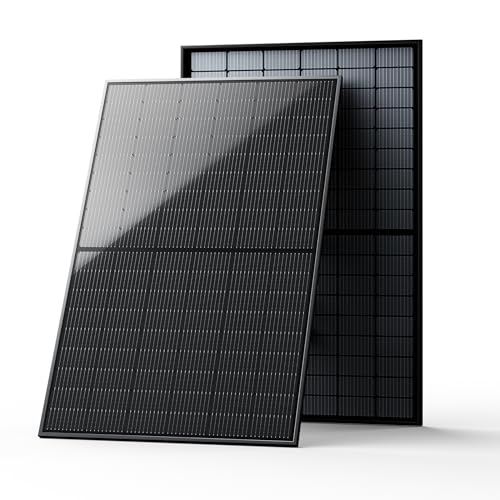 |
EPOCH 860W Bifacial Solar Kit | High total output | Dual-sided energy capture | Reliable N-type cells | View on Amazon | Read Review |
| Smart Shading Management |  |
Renogy ShadowFlux 200W Panels | Advanced shadow tolerance | Consistent power output | High-efficiency design | View on Amazon | Read Review |
| Large Scale Solution | 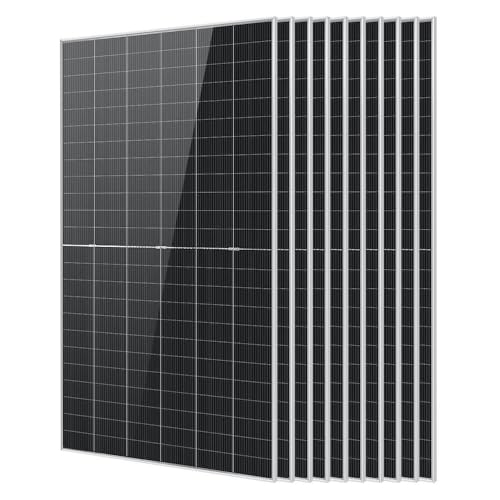 |
SUNGOLDPOWER 590W Bifacial Panels | Massive energy capacity | High thermal efficiency | Bifacial light absorption | View on Amazon | Read Review |
| Most Versatile Option |  |
Renogy 200W Portable Panel | Highly portable design | Waterproof construction | Quick setup time | View on Amazon | Read Review |
| Best Field Utility |  |
200W Portable Kickstand Panel | Multiple connection outputs | Adjustable stand angles | High efficiency rating | View on Amazon | Read Review |
| Most Durable Build |  |
N-Type 200W TÜV Certified Panel | High heat resistance | Superior waterproof rating | Certified build quality | View on Amazon | Read Review |
| Best Value Pair |  |
N-Type 400W Bifacial Dual-Module | Dual-module convenience | Bifacial energy capture | Excellent shade management | View on Amazon | Read Review |
| High-Output Portable Charger |  |
ZOUPW 480W Bifacial Portable Panel | High wattage output | Waterproof build quality | Includes bypass diodes | View on Amazon | Read Review |
| Cutting-Edge Tech | 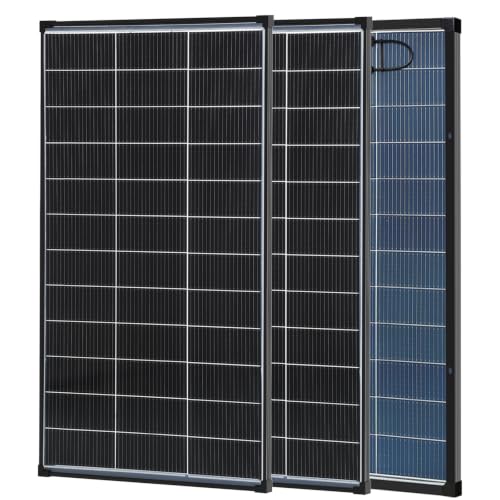 |
400W 18BB Bifacial Panel Pair | High busbar count | Bifacial efficiency boost | Strong waterproof rating | View on Amazon | Read Review |
More Details on Our Top Picks
-
Renogy 200W N-Type Solar Panel
If you need a reliable foundation for your solar setup, this N-type panel is the standard you should aim for. Its high-efficiency cells manage heat better than older models, ensuring your power doesn't drop off the moment the sun hits its peak intensity.
It fits perfectly on RV and van roofs where space is at a premium. You will find that it handles the thermal stress of hot climates with ease, though you should ensure your mounting hardware is heavy-duty enough for the panel's physical footprint.
- Brand:Renogy
- Panel Type:Monocrystalline
- Capacity:200W
- Cell Technology:N-Type 16BB
- Additional Feature:12V and 24V system support
- Additional Feature:Weatherproof construction
- Additional Feature:Easy roof installation
-
EPOCH 860W Bifacial Solar Kit
This kit is built for those who refuse to compromise on energy generation. By utilizing bifacial technology, these panels capture sunlight from both sides, acting like a sponge that soaks up every bit of available light reflected off your roof or ground.
It works exceptionally well in high-heat environments where surface reflection is significant. Just remember that you need a clear area behind the panels to actually benefit from that second-side collection.
- Brand:EPOCH
- Panel Type:Bifacial Monocrystalline
- Capacity:860W
- Quantity:2 panels
- Additional Feature:Waterproof design
- Additional Feature:Compatible with 12V systems
- Additional Feature:Efficient energy conversion
-
Renogy ShadowFlux 200W Panels
Shade is the enemy of solar efficiency, but these panels fight back with advanced anti-shading circuitry. This design keeps your system producing power even when a tree branch or a vent pipe creates a temporary shadow on your array.
They are ideal if your roof layout is slightly cramped or prone to partial obstruction. While they excel in tricky light, they perform just as well under the harsh, direct sun of a desert afternoon.
- Brand:Renogy
- Panel Type:N-Type Monocrystalline
- Capacity:200W
- Quantity:2 panels
- Additional Feature:12V and 24V compatible
- Additional Feature:Optimized for partial shade
- Additional Feature:Durable build quality
-
SUNGOLDPOWER 590W Bifacial Panels
If you are powering a stationary cabin or a large charging station, this 10-panel bundle provides a massive amount of energy. The 16BB cell architecture keeps electrical resistance low, which is a significant advantage when temperatures soar and efficiency typically dips.
These are substantial modules that require a dedicated frame to support their size. They are overkill for a small camper, but for a permanent home setup, they are a dominant force.
- Brand:SUNGOLDPOWER
- Panel Type:Bifacial Monocrystalline
- Capacity:590W per panel
- Cell Technology:16BB
- Quantity:10 panels
- Additional Feature:Energy storage ready
- Additional Feature:On and off-grid compatible
- Additional Feature:Industrial grade output
-
Renogy 200W Portable Panel
This folding panel is the traveler's best friend when you need power on the move. Its IP65 waterproof rating means you can leave it out on your campsite without worrying about sudden weather shifts or dust accumulation.
The foldable nature makes it incredibly simple to store under a bed or in a storage bin. Since it is portable, you can easily track the sun throughout the day to keep your power station topped off in the heat.
- Brand:Renogy
- Panel Type:Monocrystalline
- Capacity:200W
- Waterproof Rating:IP65
- Additional Feature:Foldable for storage
- Additional Feature:Built-in kickstands
- Additional Feature:Portable power station compatible
-
200W Portable Kickstand Panel
Equipped with four dedicated kickstands, this panel allows you to find the perfect angle for the sun no matter where you are parked. The 24% efficiency rating puts it at the top tier of portable options, ensuring you get a quick charge even during short daylight windows.
It is a great choice if you frequently camp in hot, open areas without shade. The included variety of output cables makes it a flexible tool for almost any portable power station.
- Brand:Generic
- Panel Type:Monocrystalline
- Capacity:200W
- Waterproof Rating:IP65 equivalent
- Additional Feature:Four integrated kickstands
- Additional Feature:XT60 and Anderson outputs
- Additional Feature:Foldable for transport
-
N-Type 200W TÜV Certified Panel
When you need a panel that will survive the harshest conditions, look for this TÜV-certified model. The IP68 waterproof rating ensures that moisture and dust stay out, which is vital for long-term survival in arid or high-heat environments.
Its N-type 16BB technology keeps the panel running cool and stable. This is a robust choice for a permanent rooftop installation on a van or boat where you don't want to worry about maintenance.
- Brand:Generic
- Panel Type:N-Type Monocrystalline
- Capacity:200W
- Cell Technology:16BB
- Waterproof Rating:IP68
- Additional Feature:Emergency backup ready
- Additional Feature:Easy mounting design
- Additional Feature:Stable thermal output
-
N-Type 400W Bifacial Dual-Module
This dual-module set gives you the benefits of bifacial energy collection in a convenient 400W package. The anti-shade design ensures that your battery system stays charged even if your RV is parked near trees or obstacles.
It is a smart balance for mid-sized off-grid systems that require more power than a single panel can provide. You will appreciate the consistency these panels offer when the weather turns unpredictable.
- Brand:Generic
- Panel Type:Bifacial Monocrystalline
- Capacity:400W total
- Cell Technology:16BB
- Quantity:2 panels
- Additional Feature:12V and 24V compatible
- Additional Feature:Optimized heat distribution
- Additional Feature:Versatile mounting options
-
ZOUPW 480W Bifacial Portable Panel
This is a powerhouse for anyone carrying a large battery station. With bypass diodes included, the panel maintains performance even if part of the surface is covered or shaded during your outdoor adventures.
The IP68 rating is a rare find for a portable, foldable panel, making it a rugged companion for desert trips. It is heavy, but the extra wattage is well worth the weight if you are running appliances in your rig.
- Brand:ZOUPW
- Panel Type:Bifacial Monocrystalline
- Capacity:480W
- Cell Technology:16BB
- Waterproof Rating:IP68
- Additional Feature:Compatible with major brands
- Additional Feature:Foldable design
- Additional Feature:Efficient heat dissipation
-
400W 18BB Bifacial Panel Pair
Featuring 18 busbars, these panels are designed to minimize electrical losses that usually occur as heat increases. This high-density cell design is exactly what you need for sustained performance during the hottest hours of the day.
The bifacial capability adds a nice boost to your daily watt-hour total by harvesting scattered light. They are a sleek, modern addition to any rooftop looking to maximize every square inch of surface area.
- Brand:Generic
- Panel Type:Bifacial Monocrystalline
- Capacity:400W total
- Waterproof Rating:IP68
- Quantity:2 panels
- Additional Feature:18BB cell architecture
- Additional Feature:12V system compatible
- Additional Feature:Optimized for roof mounting
Frequently Asked Questions
Do solar panels stop working when it gets too hot?
They do not stop working, but their efficiency drops as the temperature rises. Most panels are calibrated at 25°C, so anything above that causes a gradual dip in power output. This is why your choice of hardware matters so much. A panel with a superior temperature coefficient will keep your home powered while lesser models struggle to keep up.
Should I leave a gap under my panels for airflow?
Proper ventilation is vital for cooling your system. Installing panels with a gap of at least six inches between the roof and the hardware allows air to circulate underneath. This simple design choice acts like a natural cooling breeze for your system. It helps prevent heat from building up trapped against your shingles, which protects both your roof and your solar efficiency.
Are black panels worse for heat than blue panels?
Color does not indicate performance as much as the underlying cell technology. While darker panels absorb more heat, modern monocrystalline panels are designed to manage that thermal load effectively. Do not worry about the aesthetic choice negatively affecting your output. Focus on the thermal rating of the panel rather than the visual shade of the cells.
How often should I clean panels in a hot, dusty area?
Dust and debris block sunlight and create hot spots on your panels. In dry, hot climates, aim to rinse your panels two to four times per year. Use a gentle spray of water during the early morning or late evening. Cleaning them while they are scorching hot can cause the glass to crack due to rapid temperature changes.
Can extreme heat damage my inverter?
The inverter is the brain of your system, and it is sensitive to high temperatures. If possible, install your inverter in a shaded, well-ventilated area away from direct sunlight. Excessive heat can force the inverter to throttle its performance to protect itself. Keeping this component cool ensures your entire energy system operates at peak capacity throughout the day.